
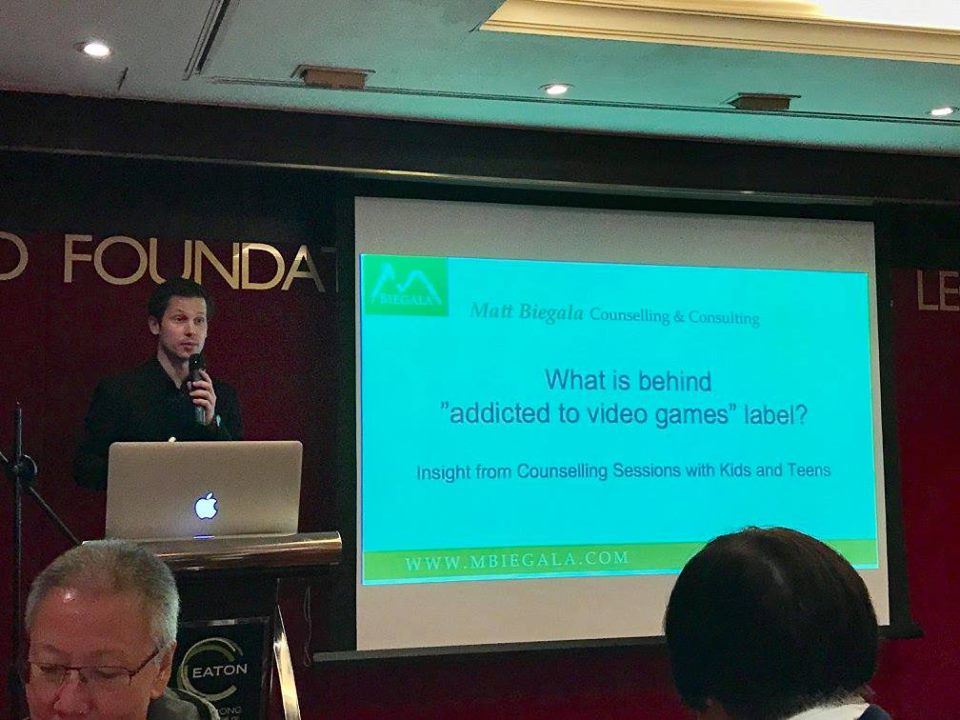
Psychology of adaptation and effective functioning under pressure.
I speak about what happens when circumstances change, demands increase and established ways of coping stop working.
My work focuses on the psychology of adaptation: how people respond to pressure, uncertainty, transitions, setbacks and competing demands – and what helps them regain clarity, stability and effective functioning.
The themes I work with include stress, anxiety, low mood, psychological flexibility, relationships, life transitions, emotional regulation and decision-making under pressure.
Available for: keynotes, workshops, leadership sessions, professional education and selected events.
Area of Focus
People are constantly adapting. To new roles, new responsibilities, losses, relationship shifts, conflicts, illnesses, career changes, relocation, uncertainty or pressure
Most of the time adaptation happens without major difficulty. However sometimes the demands of a situation exceed the strategies and capacities a person normally relies on. That often leads to such symptoms as: anxiety, low mood, irritability, repetitive thinking, withdrawal, difficulty concentrating, problems with decision-making or strain in relationships.
A person may still function well externally while experiencing considerable internal pressure.
My work focuses on understanding these processes precisely, so that it becomes clear, understandable and managable.
Signature Talks
Adaptation under pressure – what happens when life changes faster than we can adjust
Topics can include:
- Stress and Adaptation
- Major Life Transitions
- Occupational Change
- Relationship Disruption
- Adjustment difficulties
- Anxiety and depressive responses to stress
- Rumination, worrying and avoidance
- Uncertainty and perceived loss of control
- Recovery of effective functioning
The content can be adapted for corporate, professional or clinical audiences
Clarity Under Pressure – thinking and acting when stakes are high
Pressure change cognition. Attention narrows. Threat becomes harder to tolerate. Urgency begins to feel like importance. People may overanalise, avoid decisions, become excessively controlling or act too quickly in order to reduce uncertainty.
This talk examines how stress ifluences attention, interpretation, judgement and behaviour. The objectiv is not to eliminate emotion or pressure, but to preserve enough psychological stability to evaluate reality accurately, make deliberate decisions and act effectively.
Relevant for leaders, professionals and teams working in demanding environments.
Psychological Flexibility – effective action when conditions are not ideal
Psychological flexibility is the ability to adapt behaviour when circumstances change – even when uncertainty, discomfort or difficult emotions remains.
This talk examines the patterns that reduce flexibility:
- Avoidance
- overcontrol
- Perfectionism
- excessive preparation
- rumination
- difficulty delegating
- intolerance of uncertainty
- fear of criticism
These responses often make sense in the short term. The problem begins when a useful strategy becomes rigid and inflexible. The focus is therefore not on removing discomfort, but on increasing the renage of effective responses available under pressure.
When coping becomes the problem – Avoidance, overthinking and the cost of control
People develop strategies to manage difficult situations. Avoidance in short term reduces anxiety. Rumination creates feeling of preparation. Control reduces uncertainty. Perfectionism lowers the perceived risk of criticism.
There strategies can work for a while. However over the time they become persistent create a larger problem. This talk examines the difference between the short-term function of a behaviour and its long-term consequence.
Transitions- the psychology of change, loss and reorientation
Transitions are rarely only practical events. A promotion, relocation, relationship change, parenthood, separation, illness, loss, career disruption or change in identity may require a person to revise assumptions about themselves, other people and the future. Even positive transitions can be psychologically demanding.
This talk explored why periods of change can produce uncertainty, anxiety, low mood and loss of direction – and what supports successful psychological adaptation.
It is particularly relevant to organisations undergoing change, professionals moving into new roles and audiences facing significant life transitions.
Relationships under pressure – Boundaries, conflict and emotional regulation
Stress is often most visible in relationships. Under pressure, people may become more avoidant, controlling, defensive, critical or emotionally reactive.
Others take excessive responsibility, suppress disagreement or postpone difficult conversations until tention becomes difficult to manage.
This talk examines the psychological processes behind:
- conflict avoidance
- difficulty setting boundaries
- fear of criticism
- over-responsibility
- defnsiveness
- emotional escalation
- withdrawal
- repetitive post-conflict thinking
Adjustment Disorder
Adjustment disorder is a particular area of my clinical and academic interest.
It is especially relevant to understanding psychological difficulties that develop in response to identifiable stressors and major changes in life circumstances. Stressors may include:
- Occupational disruption
- Relationship breakdown
- interpersonal conflict
- bereavement
- Illness
- Financial Stress
- Legal Stress
- relocation
- Changes in family structure
- major professional or personal transitions
For professional audiences I can provide sessions on: clinical presentation, diagnosis, differential diagnosis, case formulation, CBT treatment, stress-related anxiety and depressive symptoms, psychological adaptation after significant life events
Workshops
Typical Workshop Topics Include:
- Adaptation under pressure – understanding how people respond to significant change, stress and uncertainty, and identifying factors that support effective adaptation
- Decision-Making Under Pressure: Recognising how cognitive load, emotional activation and uncertainty influence judgement
- Psychological Flexibility: identifying rigid coping patterns and developing a broader range of effective responses
- Difficult Conversations and Boundaries: understanding avoidance, over-responsibility, defensiveness and escalation in interpersonal situations
- Overthinking, worry and Ruminations: Distinguishing useful analysis from repetitive thinking that consumes cognitive capacity without producing effective action
- Perfectionism and Overcontrol: Understanding when high standards support performance and when they begin to reduce flexibility, efficiency and recovery
- Stress, Anxiety and Effective Functioning: Understanding how stress responses influence attention, behaviour, relationships and decision-making
- Navigating Transitions: Working with uncertainty, identity shifts, changed expectations and the loss of familiar structues
Formats – cooperation may include: keynotes, conference presentations, corporate workshops, leadership and executive sessions, professional education, clinical training, panel discussions, online sessions, custom programmes